
Bumper Repair vs. Replacement: What Athens, GA Drivers Should Know
January 21, 2026
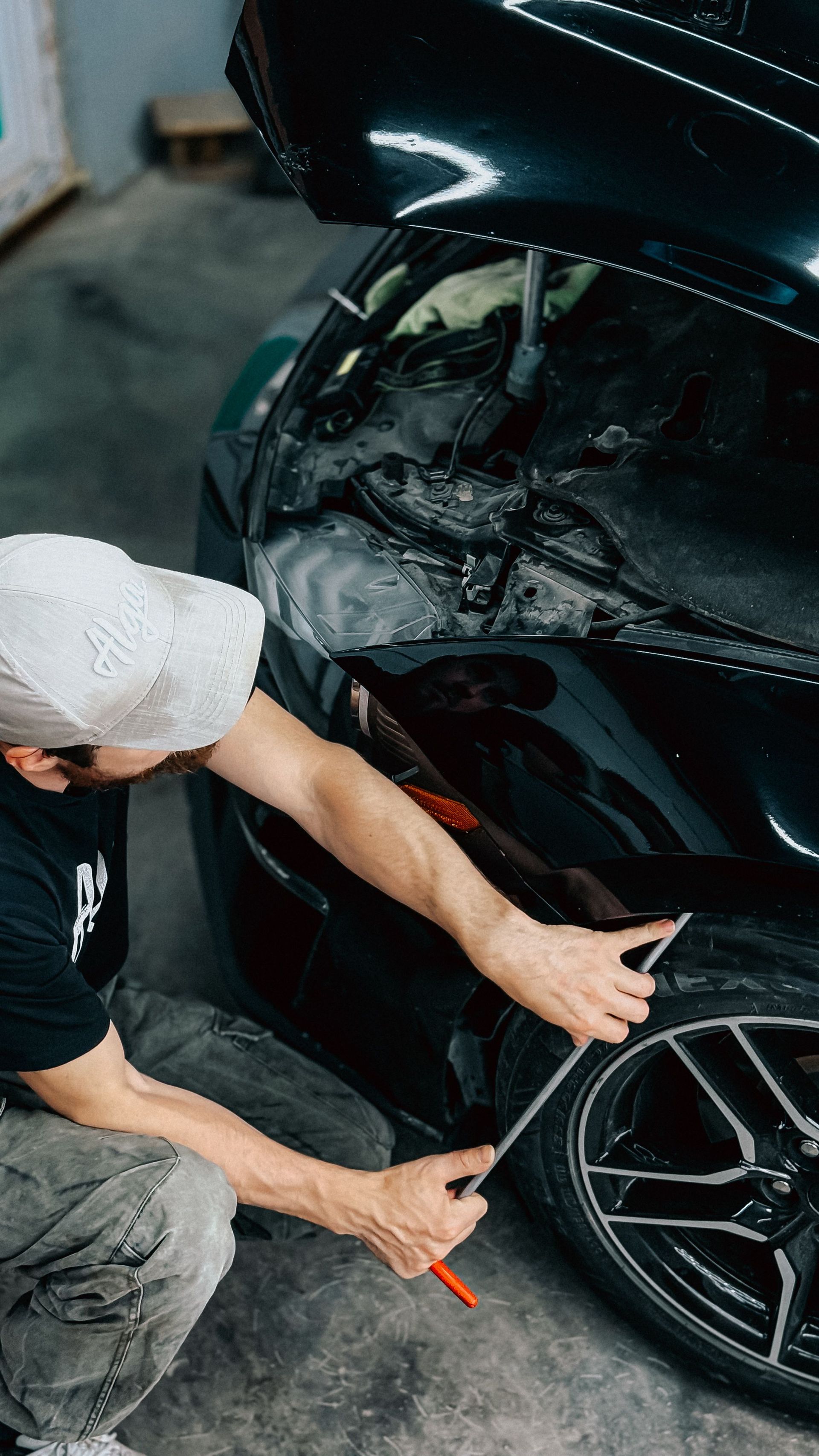
For drivers in Athens, GA, the vehicle bumper is more than just a cosmetic feature—it is a crucial safety component designed to absorb impact, protect passengers, and minimize damage during collisions. Despite its importance, bumpers are often the first part of a car to sustain damage, whether from minor fender benders, parking lot mishaps, or more severe accidents. Understanding the difference between repairing a bumper and opting for a full replacement can save time, money, and potential headaches down the road.
Deciding between repair and replacement involves evaluating the extent of damage, the type of bumper material, and the vehicle's age and value. While a repair can restore appearance and function for minor dents or scratches, replacement may be necessary for significant structural damage that compromises safety. This decision is not always straightforward, making it essential for Athens drivers to be informed about the benefits, limitations, and best practices for each option. In this guide, we’ll break down the key considerations, scenarios, and expert insights to help vehicle owners make informed choices, ensuring both safety and cost-effectiveness.
Understanding Bumper Damage
Common Types of Bumper Damage
Bumpers can sustain a wide range of damage, each impacting the repair or replacement decision differently. Common issues include:
Minor Scratches and Scuffs: Often the result of parking lot bumps or minor collisions. These cosmetic issues usually do not affect structural integrity.
Dents and Dings: Small dents can often be repaired through paintless dent repair techniques if the paint is intact.
Cracks and Splits: More severe collisions can cause cracks or splits in plastic or composite bumpers, which may compromise safety.
Structural Deformation: Frame or reinforcement bar damage beneath the bumper requires professional assessment and often mandates replacement.
How Damage Severity Influences Decisions
The extent of bumper damage plays a crucial role in determining whether repair or replacement is appropriate. Minor cosmetic issues often justify repair, while structural compromises affect the bumper’s ability to absorb impacts, making replacement the safer option. A professional inspection can help Athens drivers understand the underlying damage that may not be immediately visible.
Bumper Repair: When It Makes Sense
Benefits of Repair
Bumper repair offers several advantages for Athens drivers, particularly when damage is minor:
- Cost-Effectiveness: Repairs generally cost less than full replacements, saving money without sacrificing aesthetics.
- Time Efficiency: Many minor repairs can be completed within a day, allowing drivers to return to normal use quickly.
- Environmental Considerations: Repairing a bumper reduces waste by extending the lifespan of the existing part.
Common Repair Methods
Repair strategies vary depending on the type of damage:
- Paintless Dent Repair (PDR): Ideal for small dents where the paint remains intact. PDR restores the bumper’s shape without requiring repainting.
- Plastic Welding: Effective for minor cracks in plastic bumpers, restoring structural integrity while maintaining original appearance.
- Surface Refinishing: Scratches and scuffs are addressed using sanding, priming, and repainting to match the original color.
Real-World Example
Consider a scenario where a driver in Athens scratches their bumper while parallel parking. A reputable repair shop can quickly remove the scratch through refinishing or PDR. This avoids the cost of replacement and restores the vehicle to near-original condition within hours.
Limitations of Repair
While bumper repair is beneficial in many cases, it is not always suitable. Extensive cracks, deep dents affecting the reinforcement bar, or significant structural damage can compromise safety. Attempting a repair in these cases may provide a temporary fix but fails to restore the bumper’s full protective function.
Bumper Replacement: When It’s Necessary
Situations Requiring Replacement
Replacement becomes the safer and more practical option under certain circumstances:
- Severe Collision Damage: High-impact accidents can deform the bumper’s structure or underlying frame, requiring a new part.
- Cracks in Critical Areas: Cracks that extend into areas supporting sensors, lights, or reinforcements cannot be reliably repaired.
- Compromised Safety Features: Modern bumpers often integrate sensors for parking, collision detection, and airbags. Damage to these components necessitates replacement to maintain functionality.
Advantages of Replacement
While typically more costly than repair, bumper replacement ensures:
- Restored Safety: A new bumper provides full protection in future collisions, reducing injury risk.
- Structural Integrity: Replacing a damaged bumper ensures the vehicle’s frame and safety systems perform as designed.
- Aesthetic Perfection: A new bumper eliminates imperfections, restoring the vehicle’s original appearance.
Material Considerations
Bumpers are made from various materials, including plastic, aluminum, and carbon fiber, each with unique replacement requirements:
- Plastic and Composite: Common in most vehicles; relatively easy to replace or refinish.
- Aluminum: Found in higher-end models; requires specialized welding and expertise.
- Carbon Fiber: Lightweight and high-strength, but expensive and difficult to repair if damaged.
Real-World Scenario
Imagine a driver in Athens involved in a moderate collision where the bumper’s reinforcement bar is bent. Attempting a repair may leave the bumper less effective in protecting the vehicle and occupants. Replacement restores safety standards, ensuring long-term reliability.
Cost Comparison and Decision-Making
Factors Affecting Costs
The choice between repair and replacement is often influenced by financial considerations. Key cost factors include:
- Extent of Damage: Minor scratches cost significantly less to repair than major dents or cracks.
- Labor Requirements: Repair labor is generally faster and less intensive than full replacement.
- Parts Cost: Original Equipment Manufacturer (OEM) bumpers are more expensive than aftermarket options, impacting overall replacement cost.
- Paint Matching: Repainting a repaired bumper may add additional expense, especially for custom or metallic finishes.
Cost Examples
- Repair: Minor scratch or dent repair can range from $150 to $600, depending on severity and paint requirements.
- Replacement: A full bumper replacement, including OEM parts and painting, can range from $500 to $2,000 or more.
Making the Right Choice
Drivers should weigh the repair cost against the long-term benefits of replacement. While repairs are budget-friendly and faster, replacement offers superior safety and peace of mind. Consulting a certified auto body professional ensures an informed decision tailored to the vehicle and damage type.
Insurance Considerations
How Insurance Affects Decisions
Insurance coverage often plays a significant role in the repair vs. replacement debate. Many auto policies cover bumper damage, but deductibles, claim limits, and coverage type can influence the financial outcome.
Filing a Claim
- Minor Damage: If the repair cost is below the deductible, out-of-pocket repair is often more practical.
- Major Damage: For extensive damage, filing a claim can offset the cost of replacement.
- OEM vs. Aftermarket Parts: Policies may specify whether OEM parts are covered, impacting replacement decisions.
Real-World Example
A driver in Athens scratches their bumper in a parking lot. The repair cost is $400, but their deductible is $500. In this case, paying out-of-pocket is more practical than filing a claim. Conversely, a collision causing structural damage may exceed the deductible, making replacement via insurance coverage the more economical option.
Best Practices for Athens Drivers
Timely Assessment
Promptly addressing bumper damage prevents minor issues from worsening. For example, small cracks in plastic bumpers can expand over time, potentially requiring full replacement later.
Choosing the Right Professional
Selecting a certified, experienced auto body shop ensures accurate damage assessment, quality repair or replacement, and proper restoration of safety features. Look for:
- Positive customer reviews and testimonials
- ASE-certified technicians
- Experience with both repair and replacement
- Access to OEM and high-quality aftermarket parts
Maintenance Tips
- Regularly inspect your vehicle for minor dents, scratches, or cracks.
- Avoid parking too close to other vehicles or obstacles.
- Use protective measures such as bumper guards for high-traffic areas.
Emerging Trends in Bumper Technology
Advanced Materials
Automakers are increasingly using lightweight composites and reinforced plastics to improve fuel efficiency and impact absorption. These materials may influence whether repair or replacement is feasible.
Integrated Safety Systems
Modern bumpers often house sensors for collision avoidance, lane departure warnings, and adaptive cruise control. Damage to these components requires specialized replacement or repair to maintain functionality.
Eco-Friendly Practices
Many repair shops now prioritize sustainable methods, including recycling damaged bumpers and using environmentally safe paints, making repair a more eco-conscious choice when feasible.
Expert Insights for Informed Decisions
- Always prioritize safety over cost savings. A repaired bumper that looks fine but lacks structural integrity can endanger passengers.
- Evaluate damage comprehensively; hidden damage beneath the surface can change the repair vs. replacement equation.
- Seek multiple professional opinions if unsure. Certified technicians provide objective assessments based on industry standards.
- Consider vehicle value. For older vehicles, repair may be more cost-effective, whereas replacement can preserve resale value for newer models.
Ensuring Vehicle Safety Through Informed Bumper Decisions
For drivers in Athens, GA, navigating the complexities of bumper repair versus replacement can be challenging. Oconee Auto Refinishing & Body Repair is a trusted partner with 3years of experience providing comprehensive auto body solutions. Our team specializes in accurately assessing bumper damage, recommending the most effective and cost-efficient approach, and executing high-quality repairs or replacements that restore both safety and appearance.
We understand that every vehicle and situation is unique. Whether your bumper has minor scratches or requires a full replacement due to collision damage, we combine expert craftsmanship with industry-leading techniques to deliver reliable results. Our technicians are certified and trained to handle modern vehicle materials and integrated safety systems, ensuring that repairs maintain structural integrity and performance standards.
Customer satisfaction and safety are at the core of our services. We work closely with insurance providers, use OEM and high-quality aftermarket parts, and prioritize timely service without compromising quality. For Athens drivers seeking peace of mind and professional expertise, Oconee Auto Refinishing & Body Repair
offers dependable, transparent, and results-driven
solutions for all bumper repair and replacement needs.